
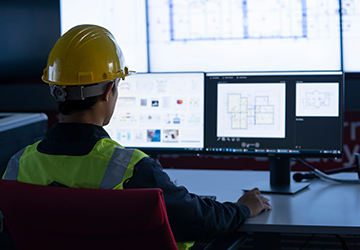
Control System Modernization
In addition to new installations, we specialize in obsolescence planning and legacy control system migration. Technology is improving at lightning speed, and many components are becoming obsolete. Control system modernization is more imperative than ever before to maintain the integrity of your operation and prevent unnecessary and crippling downtime.

Many manufacturing plants and industrial facilities are operating 30+-year-old equipment running on legacy control systems. The capital cost of replacing equipment can often be avoided for just pennies on the dollar by a planned upgrade to the new control system technology. Additional efficiency benefits can be gained through added functionality and advanced user-friendly operator interfaces.
- Upgrades
- Obsolescence Mitigation
- ROI Determination
- Feasibility Studies
Frequently Asked Questions
How can I tell if my PLC or control system is obsolete?
Obsolescence does not necessarily mean a component must be replaced immediately. A manufacturer may announce that a product is being retired or discontinued before replacement parts and support become difficult to obtain.
The important question is how that product lifecycle affects your production risk. Warning signs can include discontinued hardware, difficulty finding replacement parts, unsupported software, limited technical support, or increasing problems with aging equipment.
Identifying these risks early gives you time to develop a planned migration strategy rather than waiting for a failure to force an emergency upgrade.
Related Reading:
Can I upgrade my control system without replacing the entire machine?
Yes. In many cases, the machine itself remains mechanically sound while the controls become outdated. Modernization projects often focus on replacing retired or discontinued PLCs, HMIs, drives, and communication hardware while preserving the existing equipment. While the mechanical structure of a machine may remain serviceable for many years, control electronics typically have a much shorter product lifecycle and may eventually require migration to currently supported hardware.
This approach can extend equipment life, improve reliability, and reduce costs compared to a complete machine replacement.
What should I do if I can’t get replacement parts for my PLC or HMI?
Difficulty sourcing replacement parts is a sign that it may be time to develop a migration plan. That does not always mean the system needs to be replaced immediately.
Cornerstone can help identify high-risk components, evaluate available migration paths, and engineer a replacement solution before a failure occurs. This gives the plant an opportunity to plan the upgrade around production schedules and maintenance windows rather than making decisions during an unexpected shutdown.
Having a proven migration plan ready can also reduce the time and uncertainty involved if aging hardware does fail.
How much does it cost to upgrade a PLC or control system?
The cost depends on the size of the system, the hardware involved, and the goals of the project. Some upgrades involve replacing a single controller or HMI, while others require a more extensive controls redesign. Many control system manufacturers also provide migration paths for products that have been retired or discontinued.
Project cost is only one part of the equation. The cost of continuing to operate an aging system should also be considered, particularly when a controls failure could stop a critical production line.
For some manufacturers, even a few hours of unplanned downtime can cost more than the controls upgrade itself. Cornerstone considers factors such as production value, failure history, replacement part availability, troubleshooting time, and the potential impact of an extended outage when helping customers evaluate whether an upgrade is justified.
The goal is not to replace equipment simply because it is aging. It is to determine when a planned modernization project makes more financial and operational sense than continuing to accept the risk of an unsupported system.
How much downtime is required for a control system modernization project?
Downtime requirements vary based on project scope and plant operations. Whenever possible, engineering, panel fabrication, programming, and testing are completed before installation to minimize production interruptions.
Many projects can be scheduled during planned shutdowns or maintenance windows.
What are the benefits of upgrading an older PLC or HMI?
Modern control systems provide several advantages, including:
- Reduced downtime risk
- Improved alarm management and diagnostics
- Easier troubleshooting
- Better operator visibility
- Improved system reliability
- Greater availability of replacement parts
- Access to modern software and support resources
- Improved security
- Compatibility with modern networks and operating systems
- Advanced capabilities
- Faster execution times and advanced diagnostics
Will operators need extensive retraining after a controls upgrade?
Typically, no. Most modernization projects are designed to improve usability while maintaining familiar workflows. Operators often gain better visibility into machine status, alarms, and diagnostics without having to learn an entirely new process.
Can Cornerstone work with our existing Allen-Bradley, Siemens, or other control platforms?
Yes. Cornerstone is platform-agnostic and evaluates each project based on the customer’s existing infrastructure, support requirements, and long-term goals.
Whether the project involves upgrading an existing platform or migrating to a new one, recommendations are based on what makes the most sense for the application.
What happens during a control system modernization assessment?
A modernization assessment typically includes reviewing existing hardware, identifying obsolete components, evaluating risks, documenting system architecture, and developing a roadmap for future upgrades.
The goal is to help manufacturers understand their options and make informed decisions before hardware failures create unplanned downtime.
How do I get started with a control system modernization project?
The first step is a conversation about your equipment, production goals, and current challenges. Cornerstone can evaluate your existing system, identify potential risks, and recommend practical modernization strategies that fit your operation.